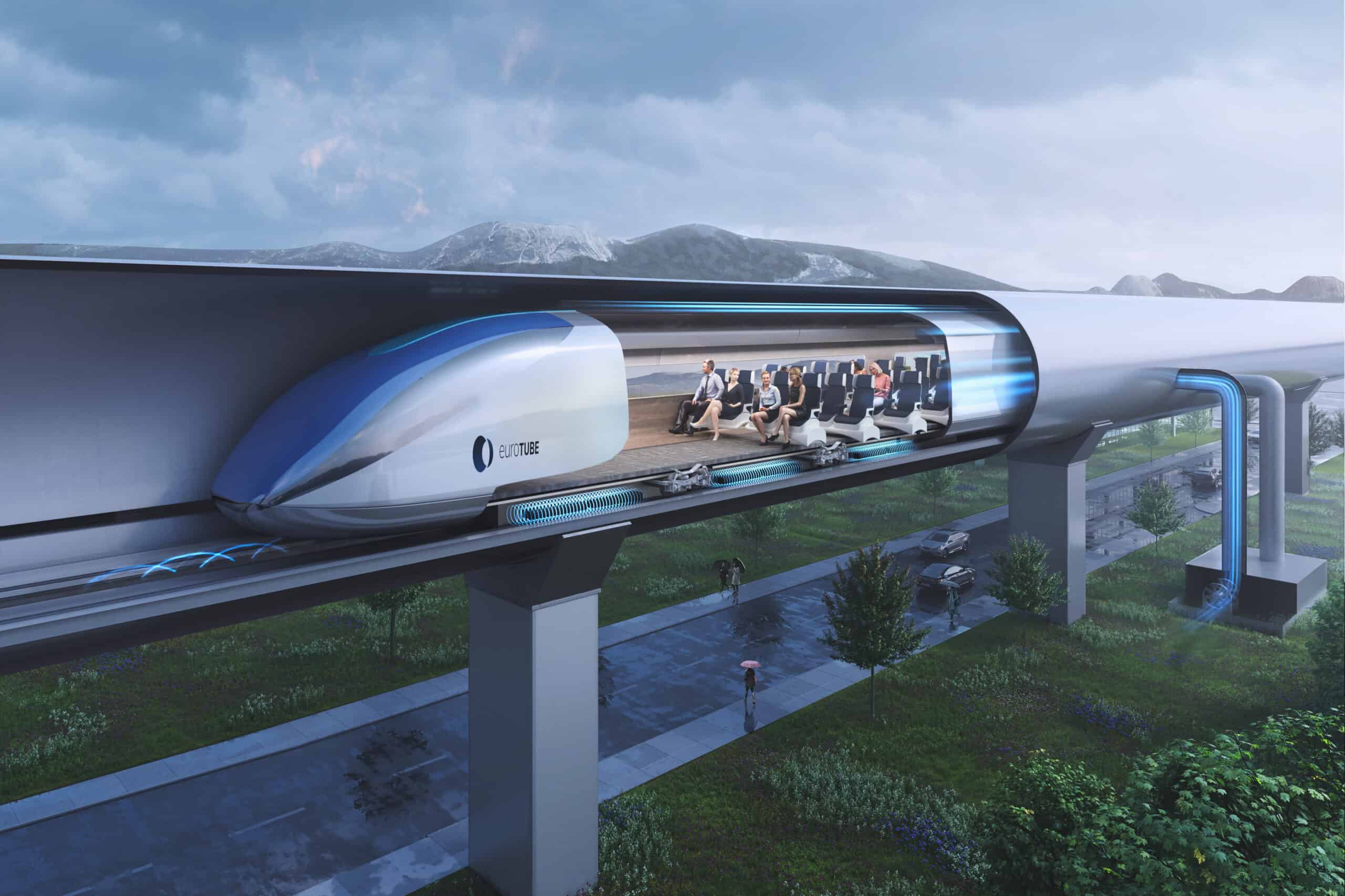
Hyperloop technology, a futuristic mode of transportation first proposed by Elon Musk, has captured the imagination of innovators and policymakers alike as a potential game-changer for long-distance travel. The concept envisions high-speed pods traveling through low-pressure tubes at near-supersonic speeds, reducing travel times between cities dramatically. While the promises of hyperloop are enticing, the development and implementation of this revolutionary technology present both challenges and opportunities for the future of long-distance transportation.
One of the primary challenges facing hyperloop technology is the immense infrastructure investment required. Constructing a network of vacuum-sealed tubes and the supporting infrastructure demands substantial financial resources. The cost of acquiring land, building elevated or underground tubes, and implementing safety measures poses a significant hurdle for widespread hyperloop adoption. Financing models and public-private partnerships are critical to overcoming this challenge and bringing hyperloop projects from concept to reality.
Safety and regulatory concerns are paramount in the development of hyperloop technology. The high speeds and potential risks associated with transporting passengers in a near-vacuum environment necessitate stringent safety standards and regulatory frameworks. Collaborative efforts between governments, regulatory bodies, and hyperloop developers are essential to establish safety protocols, certifications, and international standards that ensure the security and reliability of hyperloop systems, fostering public trust in this innovative mode of transportation.
The complex logistics of integrating hyperloop technology into existing transportation networks present both challenges and opportunities. Coordinating seamless transitions between hyperloop routes and traditional transportation modes, such as trains, planes, and automobiles, requires meticulous planning and infrastructure development. However, the integration of hyperloop into multimodal transportation networks offers the opportunity to create a comprehensive and efficient transportation ecosystem, reducing overall travel times and increasing connectivity between cities.
Environmental sustainability is a key opportunity associated with hyperloop technology. The potential for hyperloop to operate with renewable energy sources, such as solar or wind power, aligns with global efforts to reduce carbon emissions and combat climate change. By offering a high-speed, energy-efficient alternative to traditional modes of transportation, hyperloop has the potential to contribute significantly to environmentally conscious long-distance travel solutions, addressing the environmental challenges posed by conventional transport methods.
As hyperloop technology advances, it also presents opportunities for job creation, economic growth, and urban development. The construction, maintenance, and operation of hyperloop systems can stimulate local economies and create new employment opportunities. Additionally, hyperloop stations and terminals could become catalysts for urban development, fostering economic hubs and revitalizing regions along hyperloop routes.
In conclusion, the challenges and opportunities of hyperloop technology in revolutionizing long-distance transportation are intertwined in a complex web of technological, financial, regulatory, and environmental factors. While overcoming the hurdles will require collaboration, innovation, and strategic planning, the potential benefits of hyperloop in terms of reduced travel times, increased connectivity, and environmental sustainability make it a compelling contender for the future of long-distance transportation. The successful realization of hyperloop projects will depend on the collective efforts of governments, industry stakeholders, and innovators committed to reshaping the way we move between cities.
Dodaj komentarz