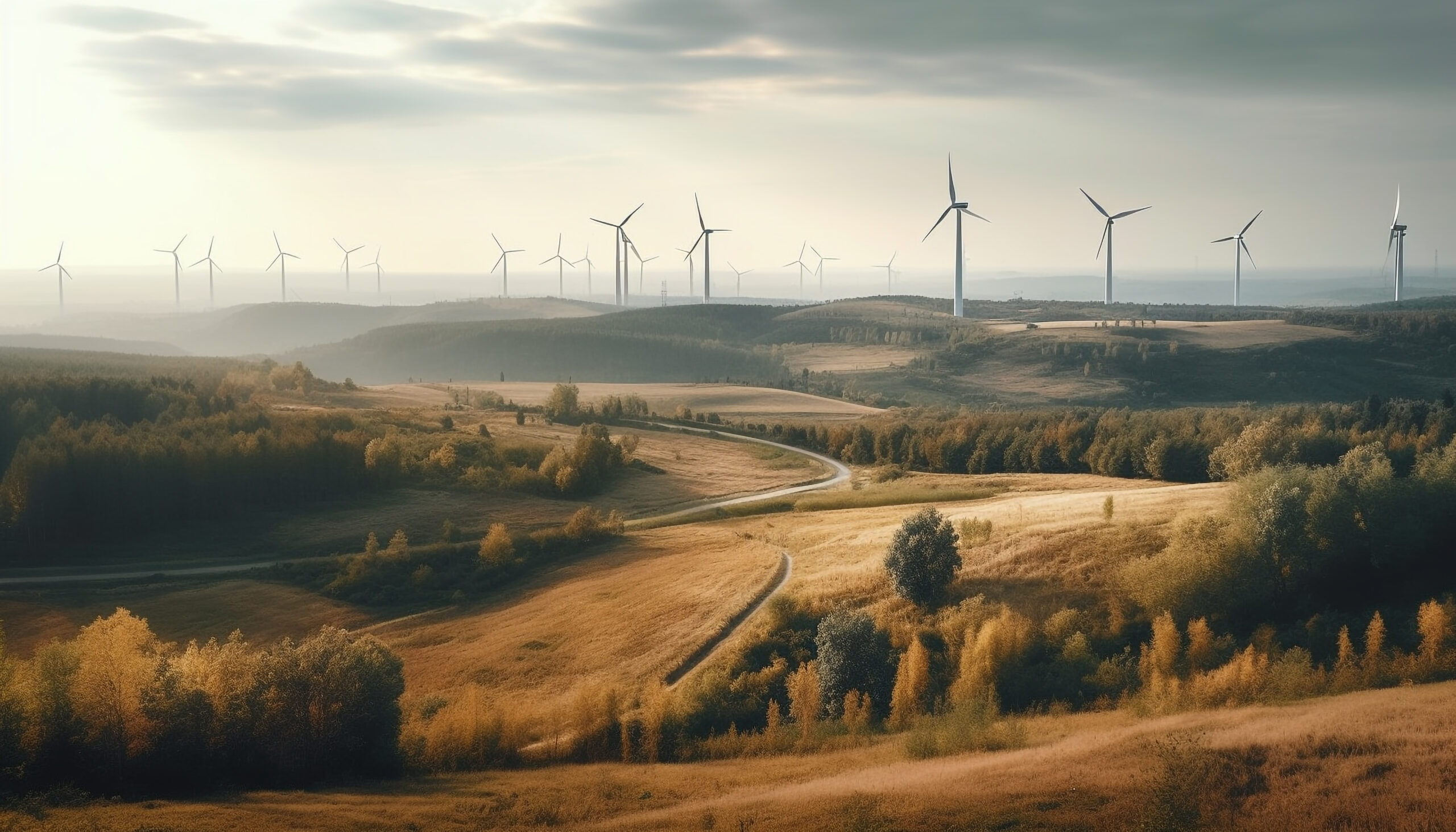
While wind energy has been championed as a clean and renewable power source, it is essential to acknowledge and scrutinize the potential drawbacks associated with its widespread adoption. As the world endeavors to transition towards sustainable energy solutions, understanding the challenges and environmental concerns related to wind energy is crucial for making informed decisions and ensuring a balanced approach to our renewable energy future.
One significant concern linked to wind energy is its impact on wildlife, particularly birds and bats. Wind turbines, with their large blades rotating at high speeds, can pose a collision risk for birds and bats, potentially leading to fatalities. To mitigate this impact, careful siting of wind farms and ongoing research into avian behavior are critical, emphasizing the need for a delicate balance between renewable energy expansion and wildlife conservation.
The visual and noise impacts of wind farms are also considerations in the discussion of the negative aspects of wind energy. While some people appreciate the aesthetics of wind turbines, others find them visually intrusive on the landscape. Additionally, the rhythmic noise generated by the rotation of turbine blades can be a concern for nearby residents, impacting the quality of life in the vicinity of wind farms. Addressing these aesthetic and noise concerns is crucial for fostering social acceptance of wind energy projects.
The manufacturing and disposal of wind turbine components contribute to the environmental footprint of wind energy. The production of turbines requires significant energy and raw materials, and the end-of-life disposal of turbine blades, which are often made from composite materials, poses challenges related to recycling and waste management. As the industry continues to grow, finding sustainable solutions for the entire lifecycle of wind turbines becomes imperative to ensure that the environmental benefits of wind energy are not offset by negative impacts.
Wind energy’s intermittency and variability present challenges to grid stability. Unlike traditional power plants, the output of wind turbines is dependent on weather conditions, leading to fluctuations in power generation. This intermittency requires a robust and flexible power grid that can efficiently handle the variability of renewable energy sources. The need for energy storage solutions and grid enhancements to address this challenge underscores the complexity of integrating large-scale wind energy into existing power systems.
Land use considerations are another aspect of the negative impact of wind energy. While wind farms can be established on agricultural or otherwise underutilized land, the expansion of wind energy infrastructure may still compete with other land uses. Striking a balance between maximizing renewable energy potential and preserving ecosystems and agricultural land requires careful planning and land-use policies that consider the broader environmental impacts.
In conclusion, while wind energy has proven to be a valuable and growing contributor to our renewable energy portfolio, it is vital to recognize and address its potential negative impacts. An informed and holistic approach, incorporating technological innovations, wildlife conservation measures, and sustainable practices, is essential to ensure that the benefits of wind energy outweigh its drawbacks as we navigate the path towards a cleaner and more sustainable energy future.
Dodaj komentarz