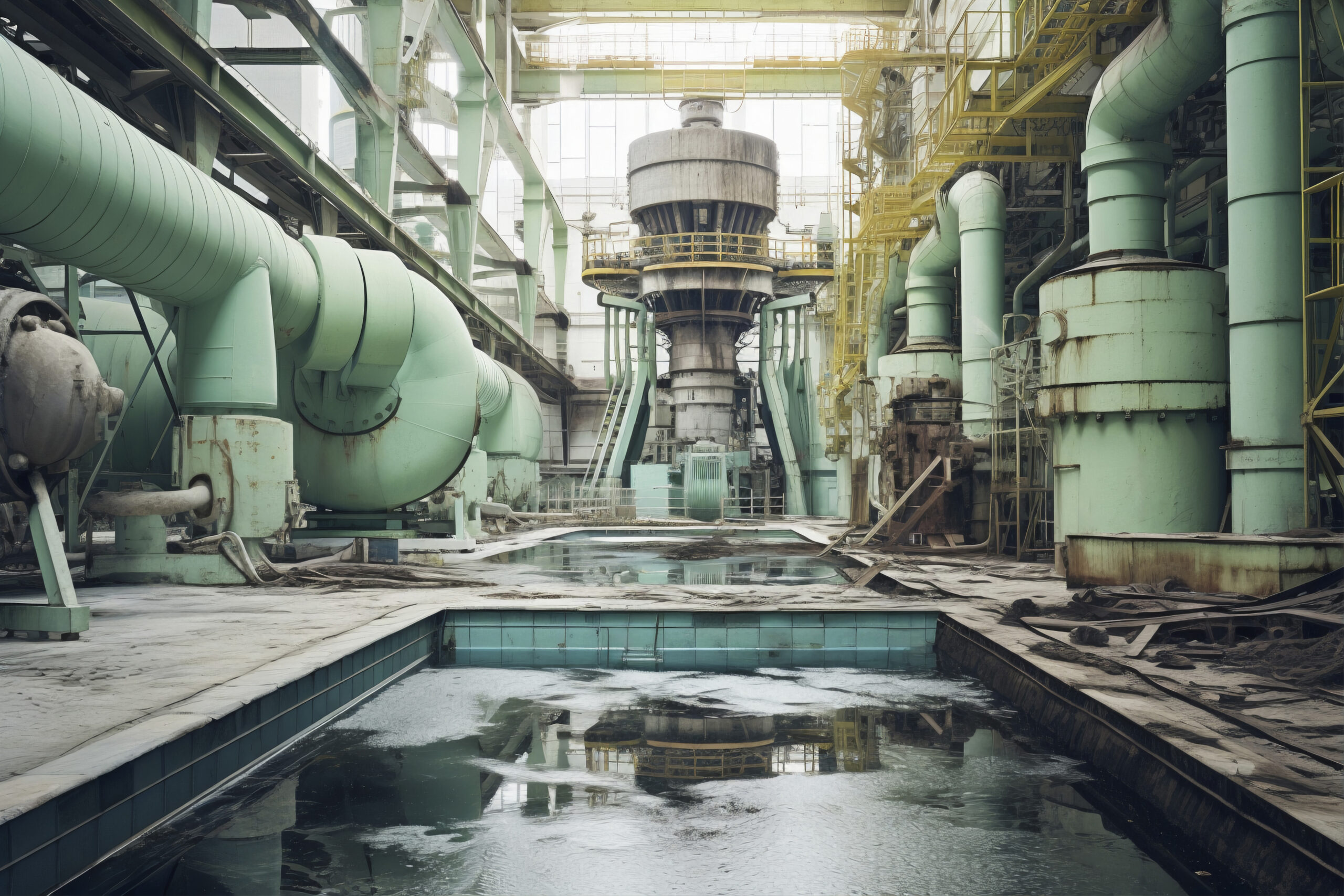
As the world grapples with the urgent need to transition to sustainable energy sources, the next generation of nuclear power plants stands as a beacon of promise on the horizon. Innovations in nuclear technology are reshaping the landscape of clean energy, addressing concerns about safety, efficiency, and waste management. These advancements herald a new era in which nuclear power plays a crucial role in the global effort to combat climate change.
One key development in the next generation of nuclear power plants is the advent of small modular reactors (SMRs). These compact, scalable reactors offer increased flexibility and safety features compared to traditional nuclear power plants. With the ability to be deployed in diverse locations, including remote areas or regions with smaller energy demands, SMRs hold the potential to revolutionize the accessibility and affordability of nuclear energy.
Advanced reactor designs, such as molten salt reactors and high-temperature gas-cooled reactors, are gaining traction as well. Molten salt reactors, in particular, utilize liquid fuel and passive safety features, reducing the risk of accidents and addressing concerns associated with nuclear meltdowns. The inherent safety features and improved fuel utilization of these advanced designs contribute to a more sustainable and resilient nuclear energy landscape.
Innovations in fuel technology are also shaping the future of nuclear power. The development of accident-tolerant fuels, designed to withstand extreme conditions and reduce the risk of core damage during accidents, enhances the safety profile of nuclear reactors. Additionally, efforts to recycle nuclear fuel through advanced reprocessing technologies aim to minimize nuclear waste and extract more energy from nuclear materials, making the entire nuclear fuel cycle more sustainable.
Next-generation nuclear power plants are not only focused on improving safety and efficiency but also on addressing the issue of nuclear waste. Innovative approaches to nuclear waste management, such as deep geological repositories and advanced partitioning and transmutation techniques, aim to reduce the long-term environmental impact of nuclear energy. By tackling the challenge of nuclear waste, these advancements contribute to the overall sustainability of nuclear power as a clean energy option.
The global pursuit of fusion energy, often dubbed the „holy grail” of clean power, is another facet of the next generation of nuclear technology. While fusion remains a complex and challenging endeavor, ongoing research and investments in projects like ITER (International Thermonuclear Experimental Reactor) hold the promise of achieving a sustainable and virtually limitless source of energy through controlled nuclear fusion reactions.
In conclusion, the next generation of nuclear power plants represents a quantum leap in the evolution of clean energy. From small modular reactors to advanced fuel technologies and the pursuit of fusion energy, these innovations address the historical challenges of nuclear power while unlocking its potential as a reliable, safe, and sustainable source of electricity. As these technologies continue to mature, nuclear power stands poised to play a pivotal role in a diverse and resilient energy portfolio, contributing significantly to the global transition to a more sustainable and low-carbon future.
Dodaj komentarz