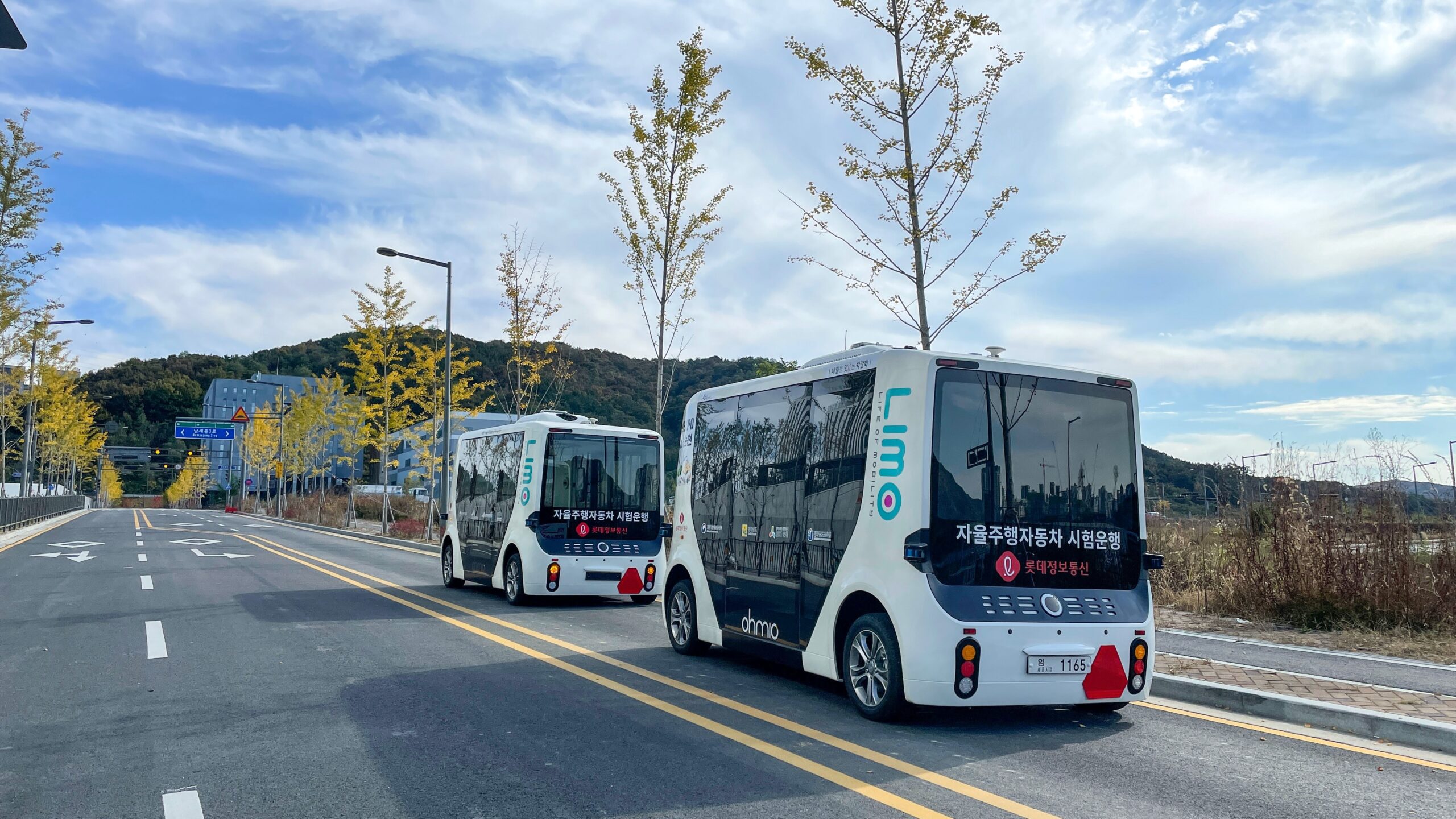
In recent years, the emergence of autonomous vehicles has ushered in a new era in the realms of transportation and logistics. These vehicles, equipped with advanced sensors, artificial intelligence, and machine learning capabilities, are set to redefine how goods are moved and people are transported. The transformative impact of autonomous vehicles extends beyond the technology itself, influencing everything from safety standards to urban planning.
One of the primary promises of autonomous vehicles lies in the potential to enhance road safety. With the majority of traffic accidents attributed to human error, the introduction of self-driving technology aims to significantly reduce accidents, injuries, and fatalities on our roads. Advanced sensors and algorithms allow autonomous vehicles to navigate complex traffic scenarios, detect obstacles, and make split-second decisions, potentially making roads safer for all users.
The logistics industry stands to benefit immensely from the integration of autonomous vehicles into supply chains. Self-driving trucks, in particular, have the potential to revolutionize long-haul freight transportation. By eliminating the need for human drivers to adhere to mandated rest periods, autonomous trucks can operate continuously, reducing delivery times and optimizing efficiency in the movement of goods. This not only enhances the overall speed of logistics operations but also contributes to cost savings for businesses.
In urban environments, the rise of autonomous vehicles is reshaping transportation and city planning. Shared autonomous vehicles, often referred to as robo-taxis, have the potential to transform the way people commute within cities. As more individuals turn to on-demand autonomous transportation services, we may witness a shift away from personal vehicle ownership, reducing traffic congestion and parking demand in urban centers. Cities are increasingly considering the impact of autonomous vehicles on infrastructure, paving the way for smart transportation systems that cater to both human-driven and autonomous vehicles.
Despite the promise of autonomy, challenges remain. Regulatory frameworks, ethical considerations, and public acceptance are critical factors that must be addressed to facilitate the widespread adoption of autonomous vehicles. Governments and industry stakeholders are working collaboratively to establish clear guidelines and standards, ensuring the safe integration of self-driving technology into our transportation networks.
In conclusion, the rise of autonomous vehicles is undeniably transforming the landscape of transportation and logistics. From enhancing safety on our roads to revolutionizing freight transport and influencing urban planning, self-driving technology is poised to play a pivotal role in shaping the future of mobility. As the technology continues to advance and society adapts to the changes it brings, the era of autonomous vehicles promises a more efficient, safer, and interconnected transportation ecosystem.
Dodaj komentarz