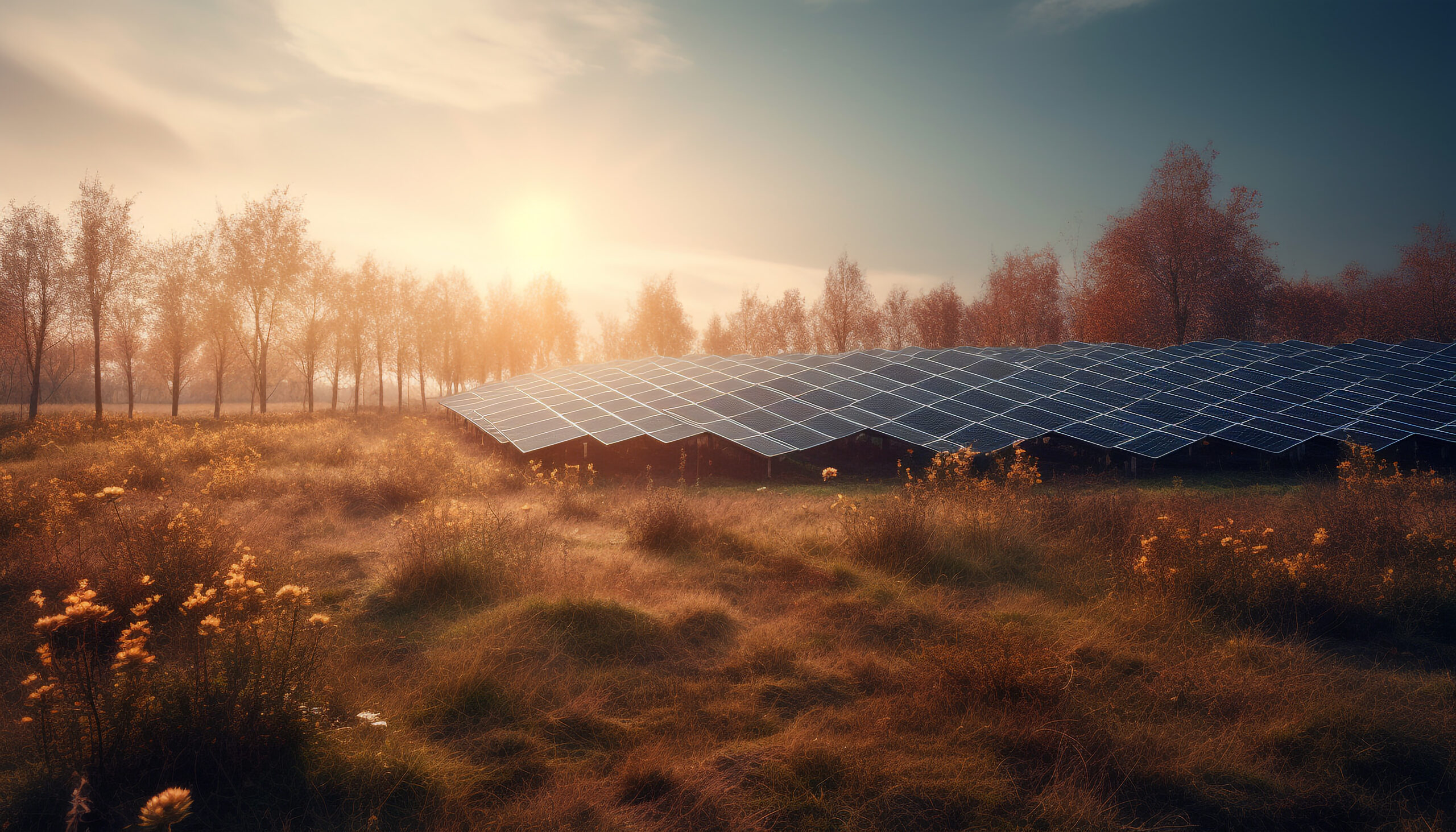
Over the last two decades, the landscape of solar energy has undergone a transformative evolution, with significant advancements propelling the technology into the forefront of the global energy transition. As the world grapples with the urgent need to reduce carbon emissions and combat climate change, the progress in solar energy technology stands as a beacon of hope, offering cleaner, more efficient, and increasingly affordable solutions.
One of the most notable breakthroughs in solar technology has been the drastic reduction in the cost of solar panels. Since the early 2000s, the price of solar photovoltaic (PV) modules has plummeted, driven by economies of scale, improved manufacturing processes, and increased competition in the solar industry. This cost reduction has democratized access to solar energy, making it a viable and competitive option for residential, commercial, and utility-scale applications worldwide.
Advancements in solar cell efficiency have played a pivotal role in enhancing the performance of solar panels. Traditional silicon-based solar cells have seen improvements, but the rise of next-generation solar technologies, such as perovskite and tandem solar cells, has pushed efficiency boundaries even further. These innovations promise to extract more energy from sunlight, increasing the overall output of solar panels and making them more effective in a variety of environmental conditions.
The integration of solar energy into everyday objects and materials has been a remarkable stride forward. Building-integrated photovoltaics (BIPV) and solar windows exemplify the fusion of solar technology with architectural elements. These innovations seamlessly incorporate solar cells into the design of structures, providing an aesthetically pleasing and functional approach to harnessing solar energy, further expanding its applications across diverse industries.
Energy storage solutions have become integral to maximizing the benefits of solar power. Technological advancements in battery storage have addressed the intermittency of solar energy, enabling efficient energy capture during periods of sunlight and storing it for use during cloudy days or nighttime. This synergy between solar panels and energy storage systems has bolstered the reliability and grid integration of solar energy, making it a more dependable source of power.
The development of floating solar farms represents an innovative solution to address land scarcity and optimize solar panel efficiency. Over the past two decades, the concept of placing solar panels on bodies of water, such as lakes and reservoirs, has gained traction. Floating solar farms not only make efficient use of available space but also reduce water evaporation, providing a dual benefit for both energy production and water conservation.
In conclusion, the progress in solar energy technology over the last two decades has been nothing short of remarkable. From cost reductions and efficiency improvements to innovative applications and integrated solutions, solar energy has emerged as a cornerstone of the global clean energy transition. As the momentum continues, the trajectory of solar technology promises a future where sustainable, renewable energy is not only accessible but also a driving force in reshaping our energy landscape for the better.
Dodaj komentarz